Overview
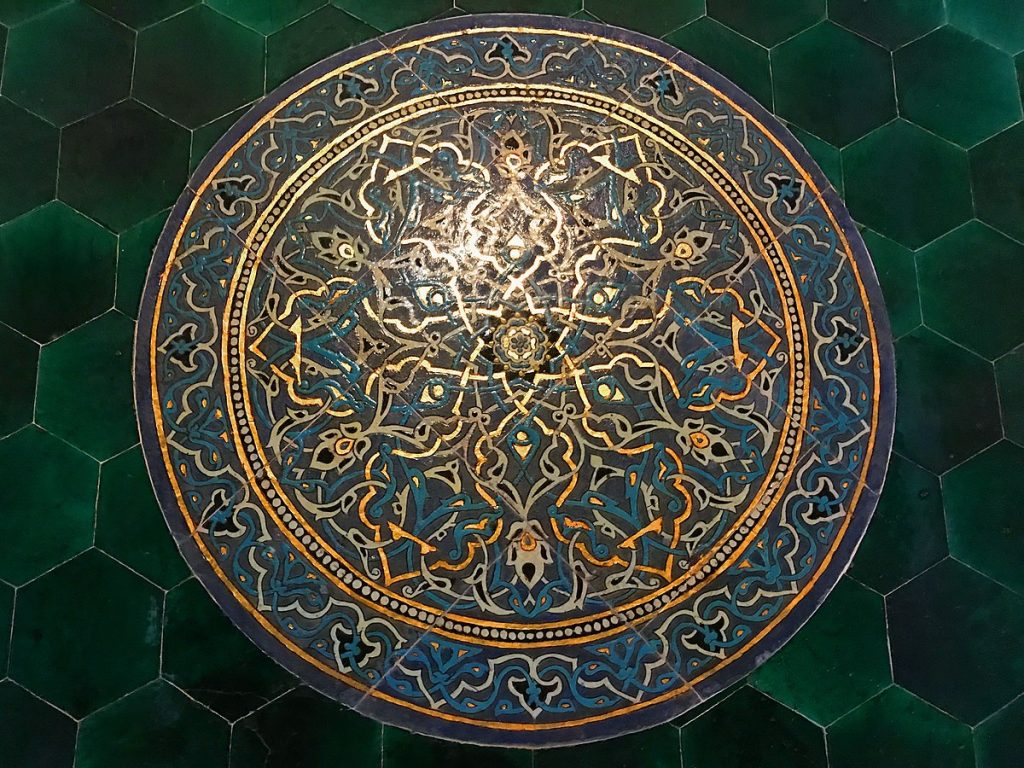
The Geometric Code Heritage Center focuses on providing specialized education and consultancy services to Dissimilating the knowledge through insightful educational courses, that prioritize preserving the intangible/quantitative knowledge and consciously contribute to qualitative knowledge, Geometric Code Heritage Culture Center can create a robust and multifaceted approach toward promoting cultural heritage, spirituality, and sacred architecture while catering to various audience segments and needs. Ignoring the principles of sacred geometry & Bioenergy in building techniques can lead to several disadvantages in culture, awareness, and practical applications in architecture, arts, and urban design
Qualitative Based Knowledge
Course 01: Spirituality & Islamic Architecture (SIA):
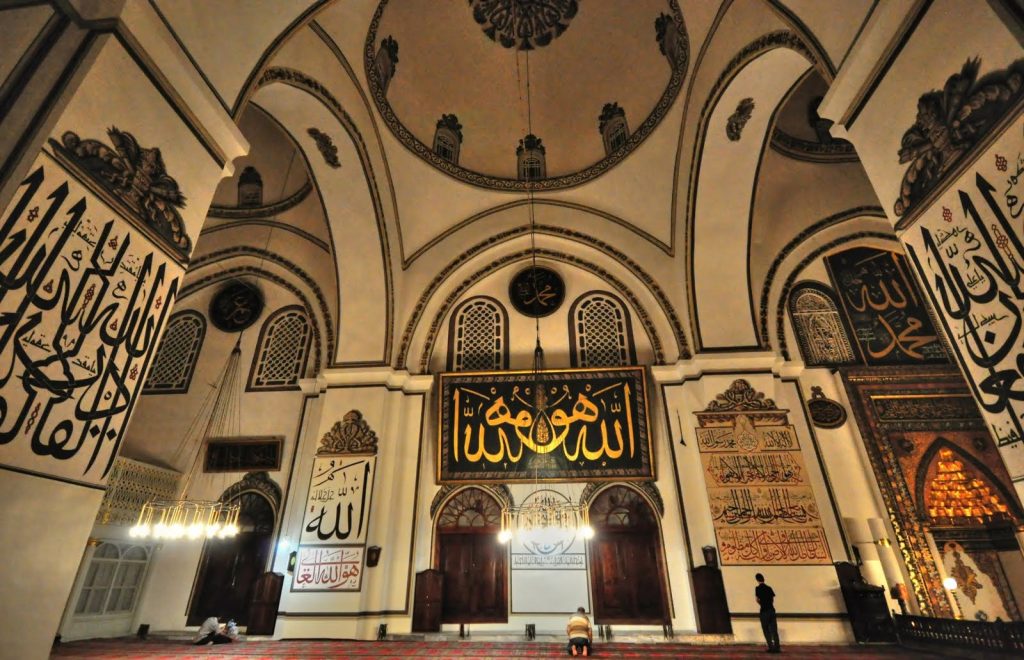
Islamic architecture relies on the comprehension of symbols, monotheism and aesthetic values and the architectural design of Mosques is considered a fundamental milestone in the development of The Art of Place (Fenon Al Makan) in terms of symbols and archetypes. Mosques are considered to be a physical demonstration of Islamic beliefs and symbols, drawing on the imagination and creativity of craftsmen and architects
Course 02: Harmonious Indoor Environment (HIE):
This course is designed to empower you with the knowledge and skills needed to create environments that not only reflect aesthetic appeal but also resonate with a balanced and positive bioenergy. Let’s embark on this enlightening exploration together
Course 03: Designing Balanced Spaces for Modern Living (DBSM):
This comprehensive program bridges the gap between the invisible energies of a home and its physical design. The course moves from the psychological foundations of space to the practical management of environmental health, teaching participants how to harmonize their surroundings for peak vitality and peace.
Quantitative Based Knowledge
Course 04: Management of Culture Heritage (MCH):
Join us for an exciting 8-week course on managing cultural heritage! In this course, you will learn about the principles and practices of cultural heritage management, including identifying and assessing cultural heritage resources, conservation and preservation, cultural heritage tourism, community engagement and participation, education and interpretation, and contemporary challenges in cultural heritage management
Course 05: Architecture Project Coordination & Design development training (APCD):
The primary objective of the GC Engineering Training Program is to equip participants with the skills and knowledge necessary to define project stages and develop and deliver a coordinated architectural project. This comprehensive training will cover the essential elements of architectural design, including the integration and coordination of walls, doors, windows, components, floors, ceilings, roofs, and stairs.